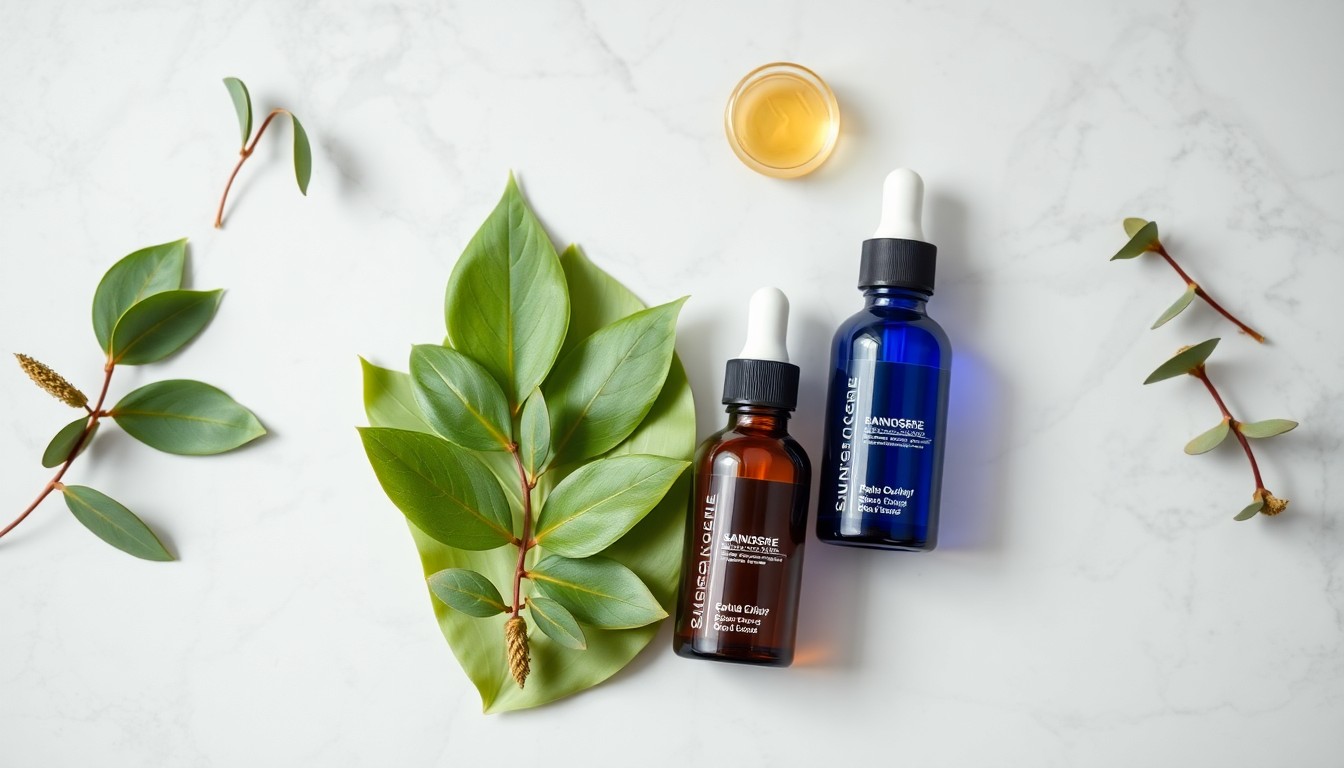
What Really Goes Into a Spa-Quality Facial at Home
You can recreate a lot of the calm and care of a professional facial at home. Here is what actually matters, and what you can skip.
There is a version of the "DIY facial" that circulates online every few months: fourteen steps, a trolley of products, and a result that looks nothing like the videos suggest. We want to offer something more honest than that.
A professional facial achieves its results through three things: professional-grade products, trained technique, and time. At home, you will have access to one of those three (time), partial access to a second (consumer-grade products that share some ingredients), and none of the third (professional training and tools). Working within those constraints honestly is how you get a real result rather than a disappointing imitation.
Here is what a real home facial looks like, built around what actually moves the needle.
What a Professional Facial Actually Does
Before you can recreate something at home, it helps to understand what you are trying to recreate. A professional facial typically includes:
- Thorough double cleanse: using professional-grade cleansers to genuinely clear the skin
- Exfoliation: chemical (acids or enzymes) or physical or both, at concentrations higher than over-the-counter products
- Extraction: manual removal of congestion by a trained therapist, which we do not recommend attempting at home in any depth
- Active treatment: serums, ampoules, or professional-grade actives applied to clean, prepped skin
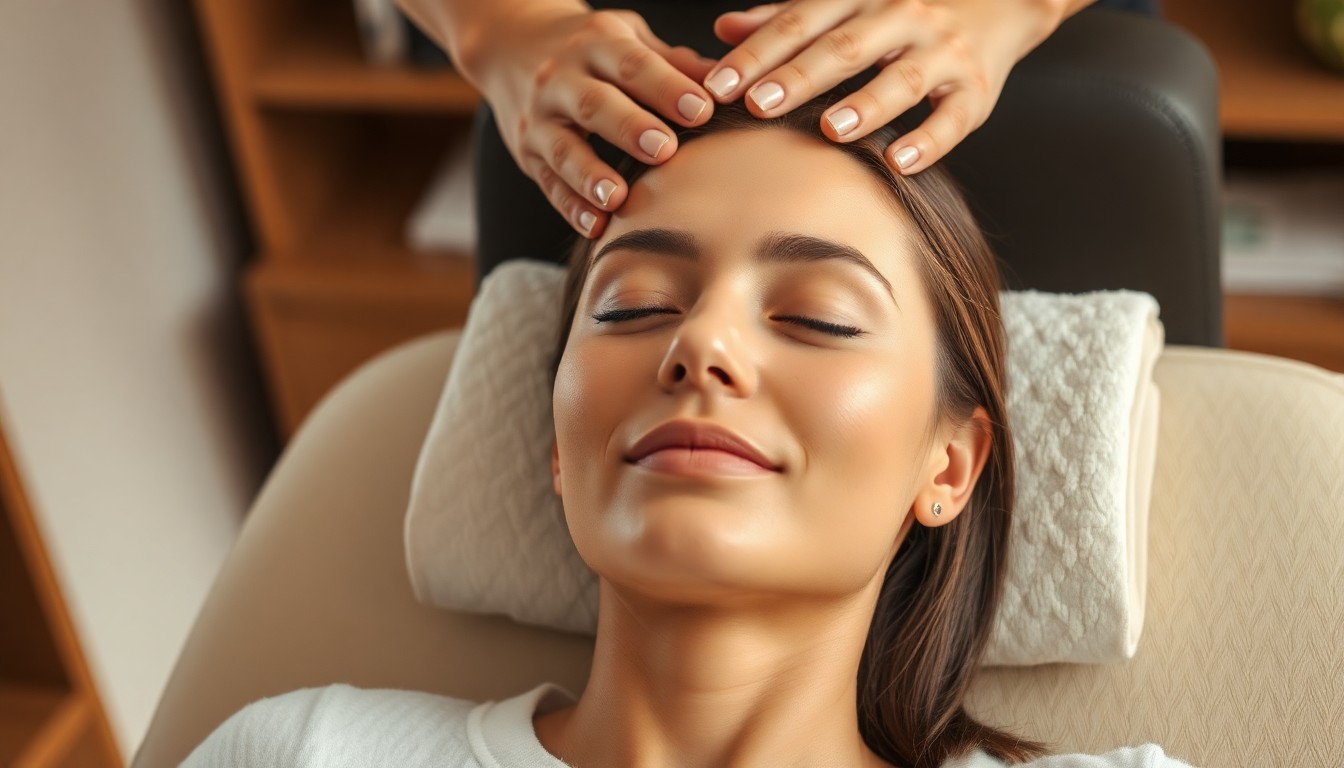
- Massage: facial massage that stimulates lymphatic drainage, circulation, and relaxes the muscles that carry stress
- Mask: targeted to your skin's current needs
- Moisturiser and SPF: locking in everything applied
Of these, extraction is the one to leave to professionals. Attempting deep extractions at home causes scarring, pushes bacteria deeper, and turns small congestion into active spots. Everything else can be replicated to a meaningful degree.
Setting Up: The Environment Matters
A professional treatment room is warm, quiet, dimly lit, and has everything arranged before the client arrives. Your bathroom can be all of these things with ten minutes of preparation. Run a warm shower first to steam the room. Lay out everything you need before you begin so you are not hunting for products mid-mask. Wear a headband to keep your hair back. Use a clean towel, not the one that has been on the rail for a week.
None of this is precious. It is practical. When your environment is organised and calm, you work more carefully and the ritual feels more deliberate. That deliberateness is part of what makes it effective.
The Double Cleanse: Take Your Time
Start with an oil cleanser or cleansing balm on dry skin. Apply it to your entire face including around the eyes if you are wearing eye makeup and massage for a full ninety seconds. We mean it. Set a timer the first time. This is longer than you think.
Rinse thoroughly, then apply your second cleanser to damp skin and work it in for another thirty to sixty seconds, paying attention to the creases around your nose, your hairline, and your jawline, areas that are often missed in a quick cleanse. Rinse with lukewarm water, not cold and not hot. Pat dry with a clean towel.
Exfoliation: The Step That Makes Everything Else Work
After cleansing, while your skin is warm and slightly damp, apply your exfoliant. At home, a low-strength acid toner (glycolic, lactic, or mandelic acid at 5 to 10 percent) or a gentle enzyme powder are the closest things to a professional peel that are genuinely safe for home use.
Apply it evenly, avoid the eye area, and leave it for the time indicated on the product. Do not layer multiple acids. Do not use a physical scrub on top of a chemical exfoliant. One exfoliating step is enough.
This step is where most of the real work happens. Exfoliation removes the layer of dead cells that makes skin look dull, allows everything applied afterwards to penetrate properly, and over time improves texture, tone, and radiance. It is also the step most people skip or under-use. If your skin is not regularly exfoliated, your moisturiser is largely sitting on dead skin rather than reaching living tissue.
Massage: The Step Most People Skip
After the exfoliant, apply a facial oil or serum and spend five to seven minutes on facial massage. This is the step that makes the most visible immediate difference and the one that almost nobody does at home.
You do not need to know an advanced technique. Three simple moves cover most of what matters:
- Gentle upward strokes from the jaw to the temples and from the neck to the chin. This encourages lymphatic drainage and reduces morning puffiness.
- Circular pressure with fingertips around the temples, across the forehead, and at the base of the skull. This releases the muscles that hold tension all week.
- Pinching and rolling along the jawline from chin to ear. This stimulates circulation and, over time, helps maintain definition in the lower face.
Use enough product that your fingers glide without pulling the skin. Pulling creates long-term damage. Gliding creates benefit.
Mask and Finish
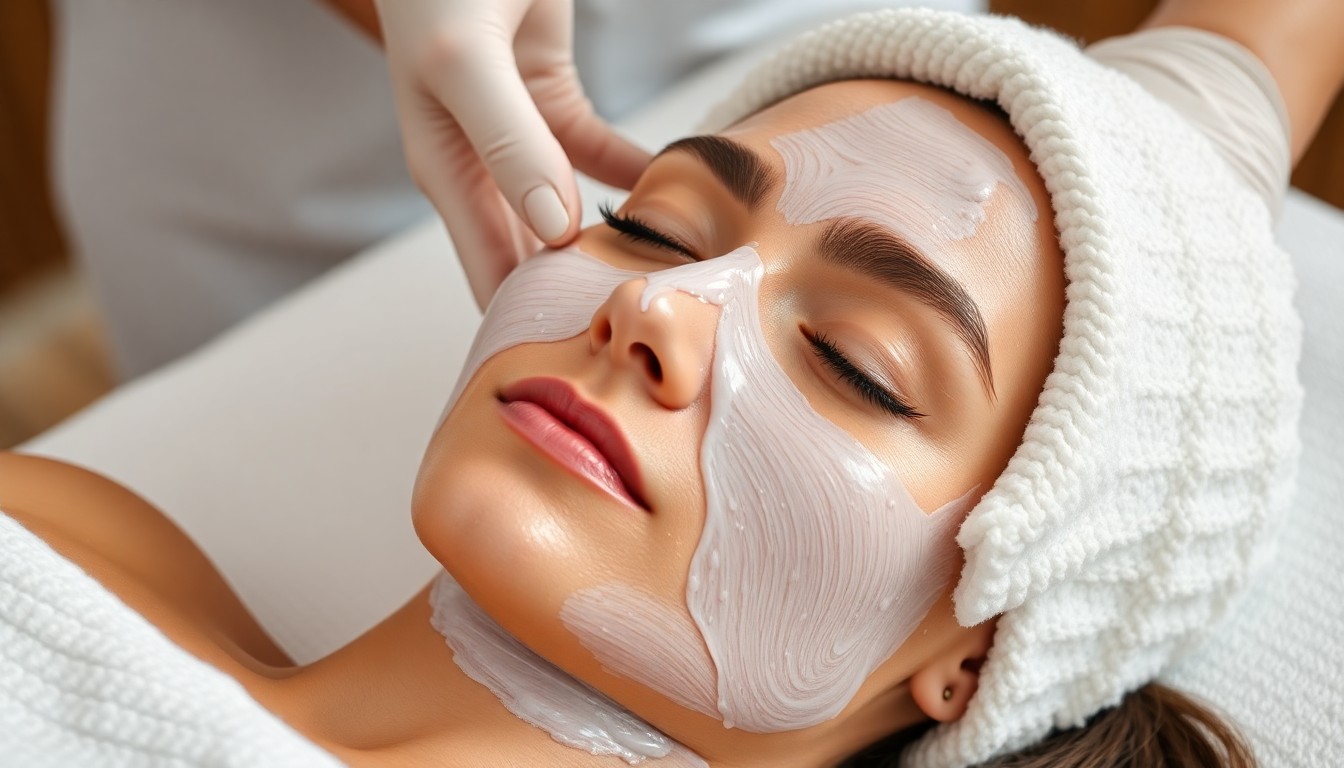
Apply your chosen mask and use the time to rest properly rather than scrolling. Twenty minutes lying down in a warm room is not nothing. Your cortisol drops, your face relaxes, and the mask works more effectively on skin that is not pulled tight by a stressed expression.
Rinse, apply your regular serum and moisturiser, and if it is daytime, finish with SPF. If it is evening, let your skin breathe for an hour before bed and skip heavy products that might pill against your pillowcase.
What You Cannot Replicate at Home, and Why That Is Fine
Professional facials use prescription-strength actives, steam machines, high-frequency tools, and the trained hands of someone who has treated thousands of different skin types. These things accelerate change in ways that home routines genuinely cannot match.
That is not a reason to stop doing home facials. It is a reason to see them as different things. Your home ritual maintains, soothes, and builds on the foundation. Your professional treatment advances it, addresses issues your home routine cannot reach, and recalibrates your skin's baseline every six to eight weeks.
The clients whose skin we are most proud of are the ones who do both: a consistent home routine between visits, and a professional treatment regularly. The two compound each other in a way that neither achieves alone.
More from the Blog
5 Skincare Habits That Transform Your Glow
15 Mar 2025
How to Choose the Right Hair Colour for Your Skin Tone
20 Feb 2025
The Self-Care Sunday Ritual Every Woman Deserves
18 Jan 2025
Book a Free Visit
Book your appointment today and let our expert therapists create your perfect self-care experience.
Book AppointmentReady to Treat Yourself?
Book your appointment today and let our expert therapists create your perfect self-care experience.